The Valley Isle,
start to finish.
Everything you need to understand Maui before you go — its coasts and climates, when to come, how to get around, and what not to miss.
Everything you need to understand Maui before you go — its coasts and climates, when to come, how to get around, and what not to miss.
Maui is the second-largest Hawaiian island, formed by two volcanoes joined by a green valley — which is why it is nicknamed the Valley Isle. That shape gives it astonishing variety: you can watch a 10,000-foot sunrise above the clouds and be snorkeling a warm reef by lunch. Most visitors split their time between the sunny leeward coasts and a few big day trips.
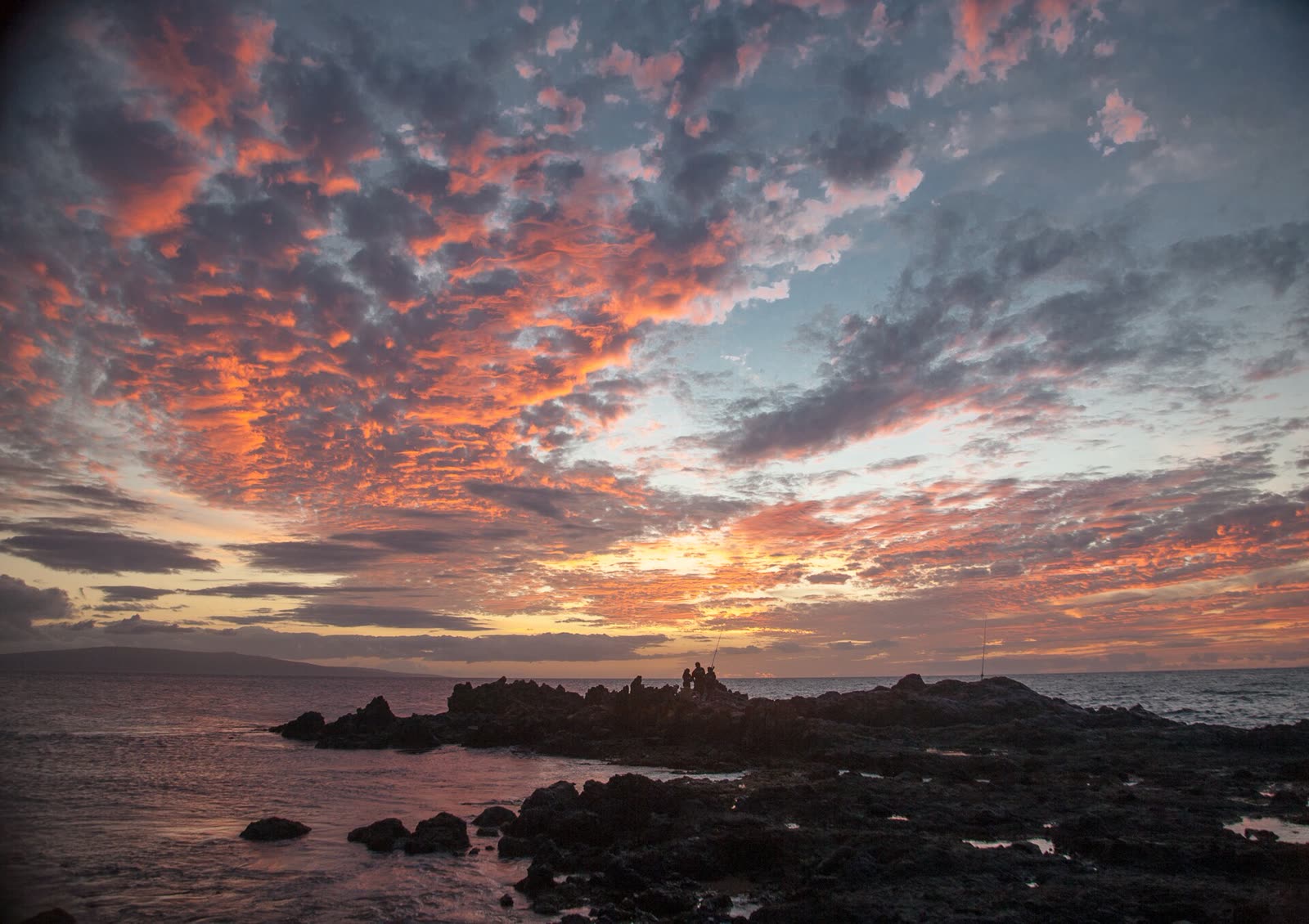
Kihei, Wailea, Makena and the Ka'anapali side catch the most sun and the calmest water — which is why nearly all of Maui's beaches, resorts and vacation rentals line them.
Photo: Frank Kovalchek from Anchorage, Alaska, USA / Wikimedia Commons (CC BY 2.0)
Maui is good year-round. April–May and September–October bring great weather and lower prices. Winter is whale season and the biggest surf; summer is hottest and busiest.
There is no real public transit for visitors. A rental car is essential — book early, as supply is tight and prices climb in peak season.
South Maui (Kihei/Wailea) and West Maui (Ka'anapali/Napili) are the two main hubs. Pick one and take day trips rather than moving around.
Use reef-safe sunscreen, keep 10+ feet from turtles and seals, don't stack rocks, and tread lightly in Native Hawaiian and recovering communities.
Haleakala sunrise, Wai'anapanapa and 'Iao Valley all require advance online reservations for non-residents. Plan these before you arrive.
Island time is real. Distances look short but roads are slow and winding — build in more time than the map suggests, and enjoy it.
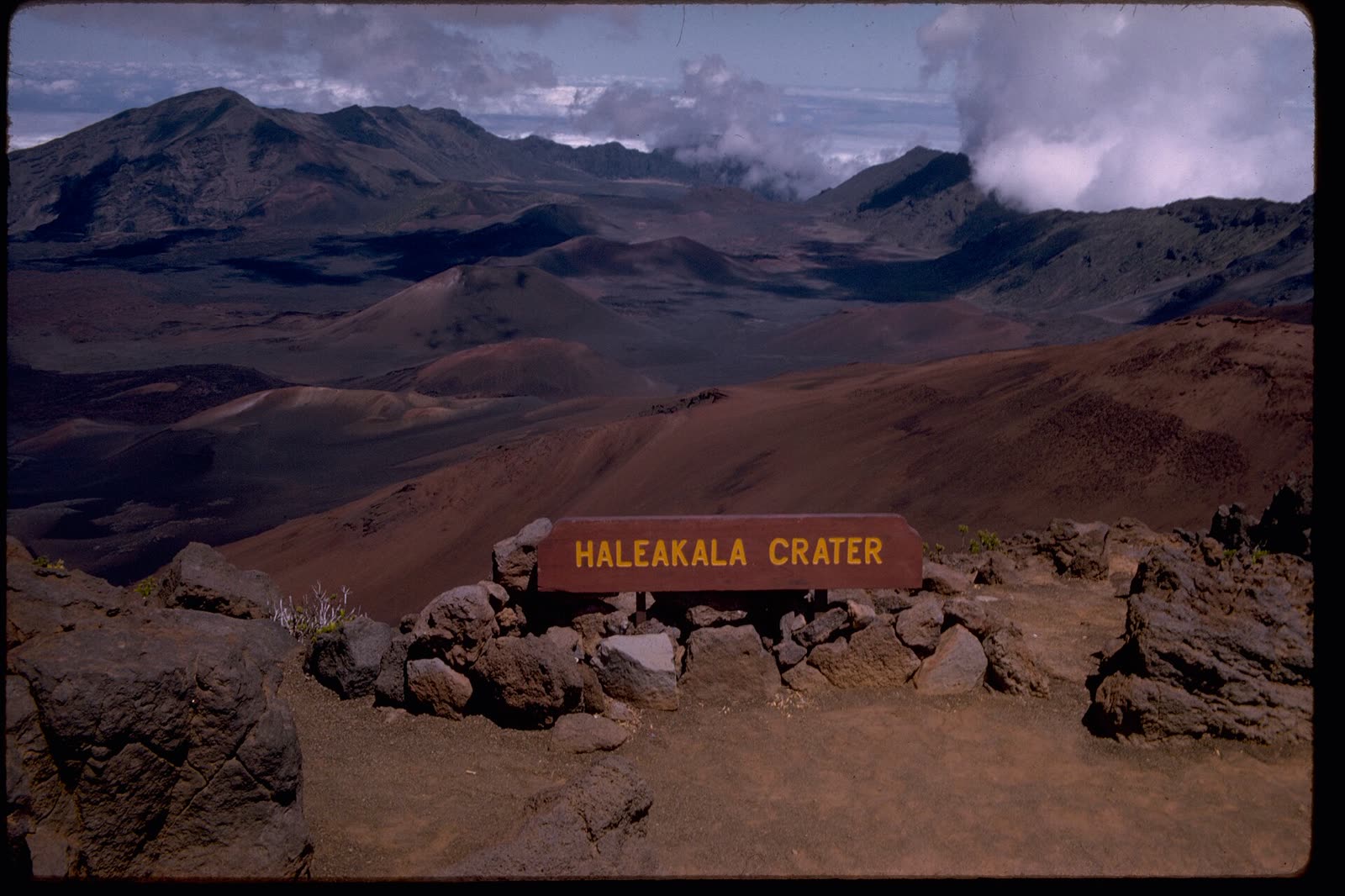
The dormant volcano that built half the island rises past 10,000 feet — a sunrise pilgrimage, a stargazing summit and a Mars-like crater to hike.
Photo: National Park Service Digital Image Archives / Wikimedia Commons (Public domain)
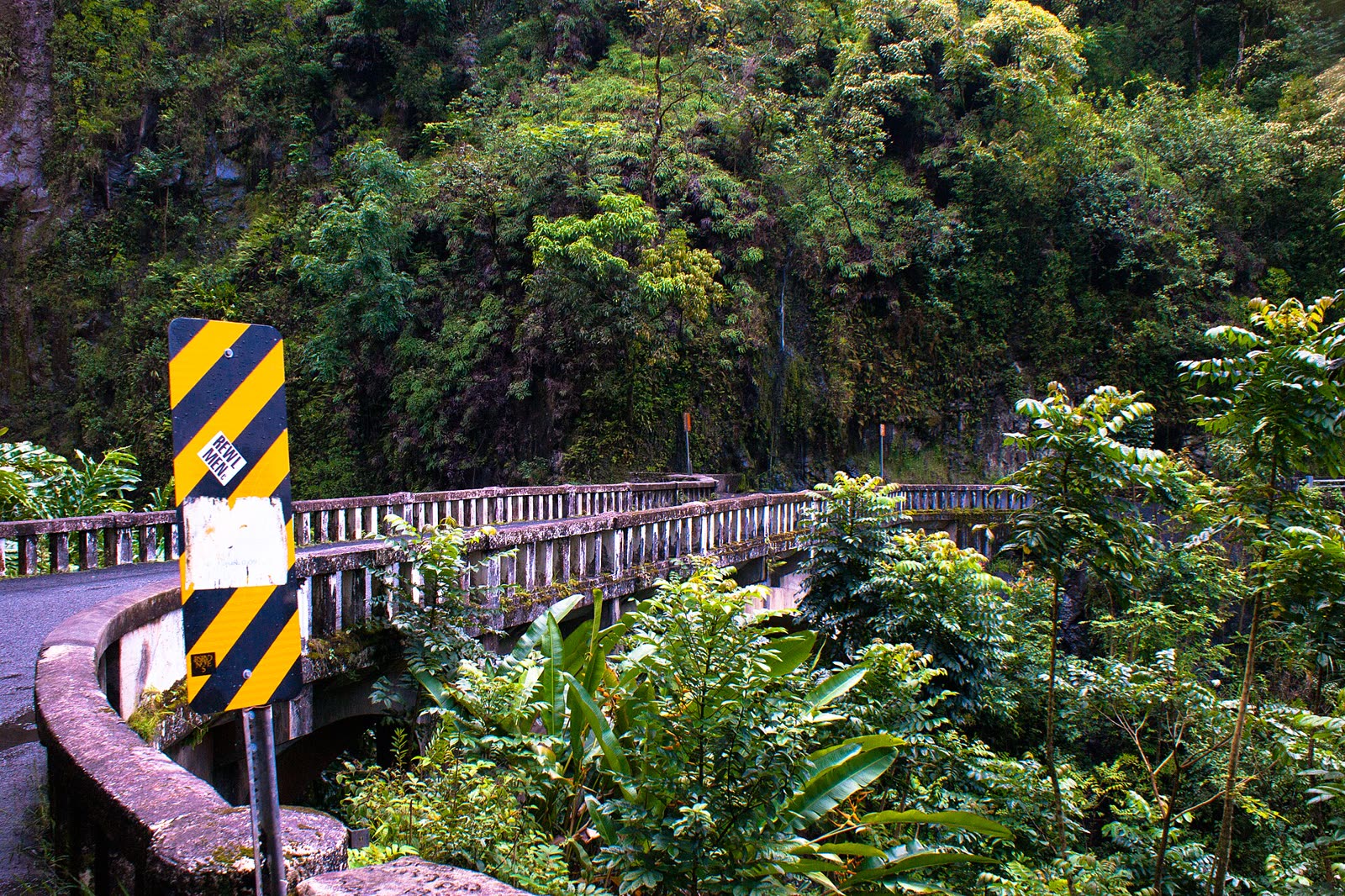
Waterfalls, one-lane bridges and rainforest along the wild east coast.
Read the guide →Sixty-four bridges and six hundred curves of waterfalls and rainforest — the most famous drive in Hawaii, and a full, unforgettable day.
Photo: Jonathanking / Wikimedia Commons (CC BY-SA 3.0)
From Wailea resorts to Kihei condos, here are the ten best places to stay — with direct links to every booking platform.